Training that moves from explanation to action.
Flexible, scenario-based instruction for civilians, security professionals, private investigators, and law enforcement personnel.
Practical instruction, matched to your goal.
APS welcomes individuals and groups, from first-time civilian learners to certified officers and investigators.
What your course can include
- Clear explanation: lecture and visual presentation suited to the topic
- Practical application: hands-on exercises and scenario-based learning
- A tailored format: duration and scheduling coordinated around the subject and learning objective
Any course-specific eligibility, safety, equipment, certification, or legal requirements are clarified before enrollment.
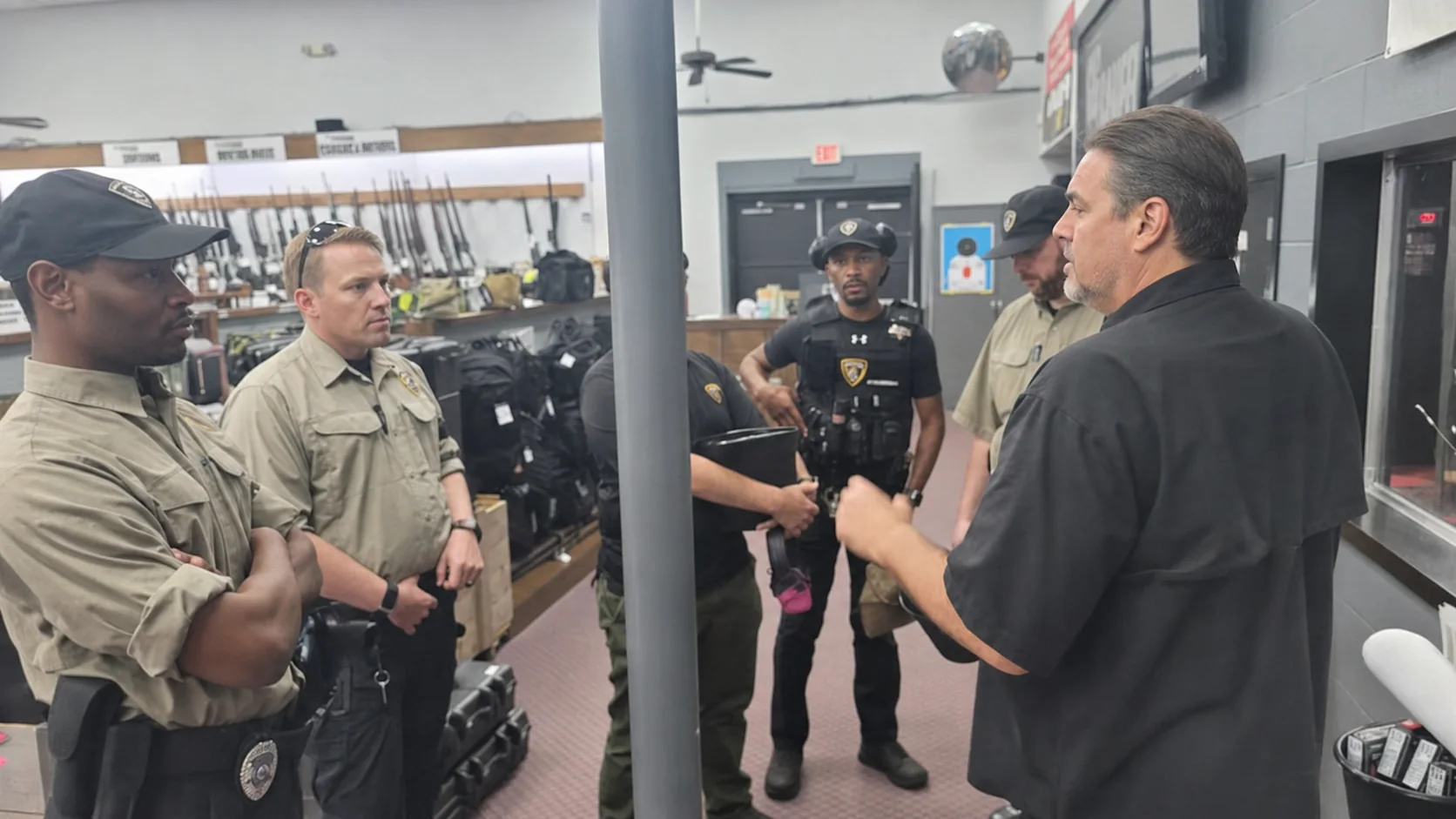
From professional presence to advanced investigative practice.
The course list is extensive and can be shaped around an organization's or learner's objective.
- Firearms safety and armed security instruction
- Axon/TASER energy weapons instruction
- Self-defense and victim-avoidance strategies
- Situational awareness and de-escalation
- Unarmed and armed security operations
- Private investigator methodology
- Felony evidence collection and case development
- Courtroom testimony and professional appearance
- Custom organizational security training
Timothy J. Farrow
Timothy is APS's owner and primary instructor, supported by other certified instructors. His credentials span Georgia Board instruction, firearms, Axon/TASER, NRA disciplines, critical infrastructure, protective measures, threat assessment, criminal intelligence, explosives awareness, and event risk.
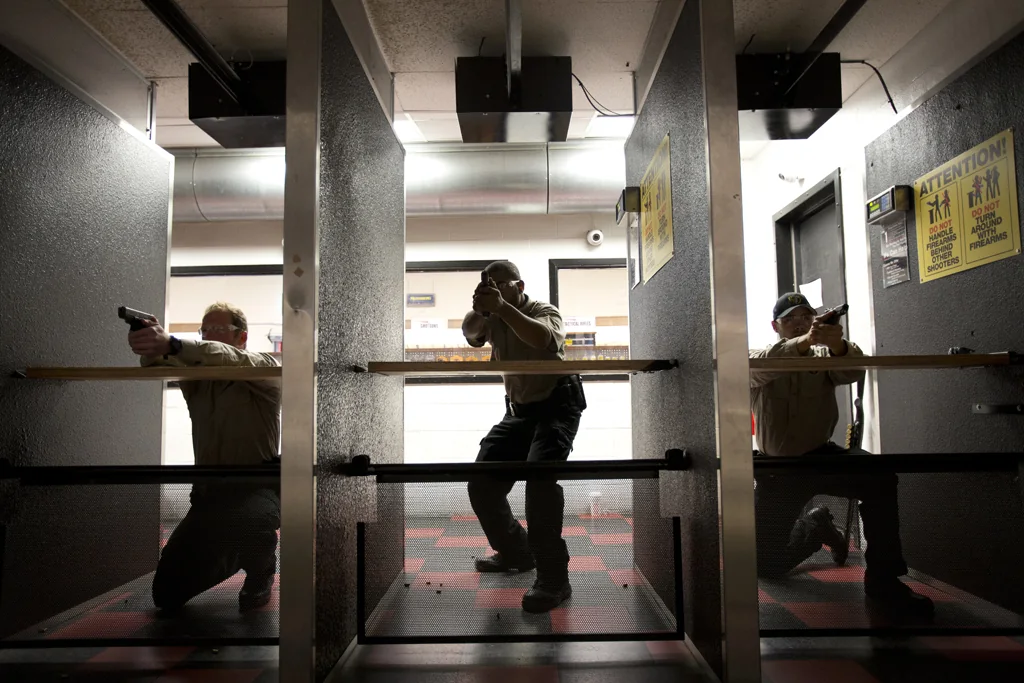
Tell APS who needs to learn—and what they need to do better.
Pricing depends on topic, duration, class size, location, equipment, range needs, and required materials. APS aims to keep instruction competitively priced while matching the course to the learner and objective.
- Audience and experience level
- Desired subject and outcome
- Preferred date, location, and class size
- Any employer, licensing, equipment, or facility constraints
Planning the right course.
Are there prerequisites for APS training?
There is no general prerequisite to begin. Course-specific eligibility, safety, equipment, certification, or legal requirements are clarified before enrollment.
Who can attend APS training?
APS trains individuals and groups, civilians, certified security officers, private investigators, and law enforcement personnel.
How large can an APS class be?
Class sizes can range from one to 25 participants. Scheduling and course duration depend on the subject and learning objective.
What teaching formats does APS use?
APS can combine lecture, visual presentation, hands-on practice, and scenario-based instruction.